
ADMINISTRATION & OPERATIONS
Contact Info
Subcommittee Members:
Jen Aviles, Membership
membership@commonfolk.org
Katie Haig, Program Operations
programs@commonfolk.org
Makayla McGeeney, Marketing
info@commonfolk.org
Jessica Sweeney, Ownership
sweens@commonfolk.org
The Administration and Operations subcommittee coordinates and manages the following:
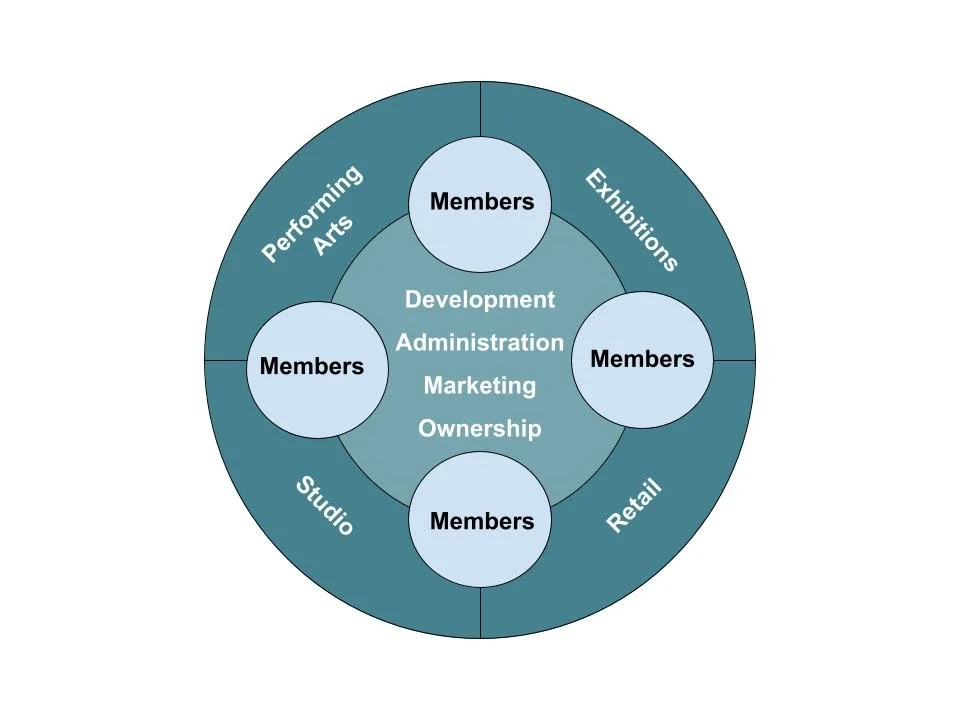
1. Admin is made up of leader members who represent the following responsibilities: Development, Administration, Marketing, and Ownership. These responsibilities play a role in every aspect of the collective.
2. Supports the back-end work of programs/projects happenings (marketing, systems management, systems building) so that leaders can focus their energy on the creative aspects of coordinating. Admin members sit on subcommittees and are considered members of those subcommittees to help support the programs and projects in connecting to and accessing the many resources that we share.
3. Takes on the day-to-day operations of the business
4. Processes members and connects them to the shared resources of the collective
5. Reporting/Tax Management/Accounting/Bookkeeping/Tenant Association/Building Ownership Management/Payouts/invoicing
6. Grant Writing/Fundraising/Build revenue streams
7. Upholds the handbook/Facilitates member voting/Guides members through the process of proposing additions/changes to the handbook.
Common Folk Organizational Structure
How do decisions get made in the collective?
When a member or program wants to propose a new policy that is not currently outlined in the handbook (or change existing ones) those policies are encouraged to be addressed with the admin team to review with the current handbook and help guide that member/program through the process of proposing those additions/changes to the full collective. Admin does not make decisions on those policies. Once the policy has been drafted and the member and admin team feel it's ready to be proposed - the policy is sent to the rest of the collective for a vote.
Example:
During the Mandatory Annual Retail meeting - a policy was suggested from conversations amidst members and alum members about offering a different commission to alum so they could continue to sell their work in the store, but not access the other resources of the collective. Members of the retail group weighed in their thoughts and concerns about this idea and a policy was crafted. That policy was then sent to admin to review by the Retail Coordinator and was reviewed to ensure that it upheld other shared agreements. The collective then voted on that policy.
Why do we have policies?
Common Folk members have collectively expressed a desire to move towards becoming a cooperative structure. The handbook and many of our policies reflect a cooperative decision making process where all voices are heard and have influence on those policies. These are normal practices in the formation of a cooperative. Much of this work should be done before we do the final paperwork to formalize as a cooperative as these documents are needed when filing with the state.
Why do we have contracts?
Contracts equally protect the artist and the collective from bad actors or unfortunate circumstances that result in very real risks. It is important that when art is in our care, the artist has a commitment from us that we will take care of their work or performance and if it gets damaged in our care that we will compensate the artist for their work.
This is not a reflection of trust on any artist or person. This is strictly ensuring that there are resources in place to protect us all.
Contracts only need to be signed by non-members, as members agree to all the same information in January of every year when they renew their membership. Membership renewals reduce the amount of paperwork members need to do throughout the year.
FUNDRAISING SUBCOMMITTEE
Subcommittee Members
Molly Rideout
Isabel Twanmo